






Reveal Smooth, Confident Skin
Discover the benefits of professional body waxing and why it remains one of the most effective ways to achieve long-lasting smoothness. Learn what to expect, how it works, and why so many choose waxing as part of their self-care routine.
What is Body Waxing?
Waxing removes hair from the root for smoother skin and longer-lasting results, typically up to 4–6 weeks. It can be performed on most areas of the body and is customized for a comfortable, effective experience.
Why Body Wax?
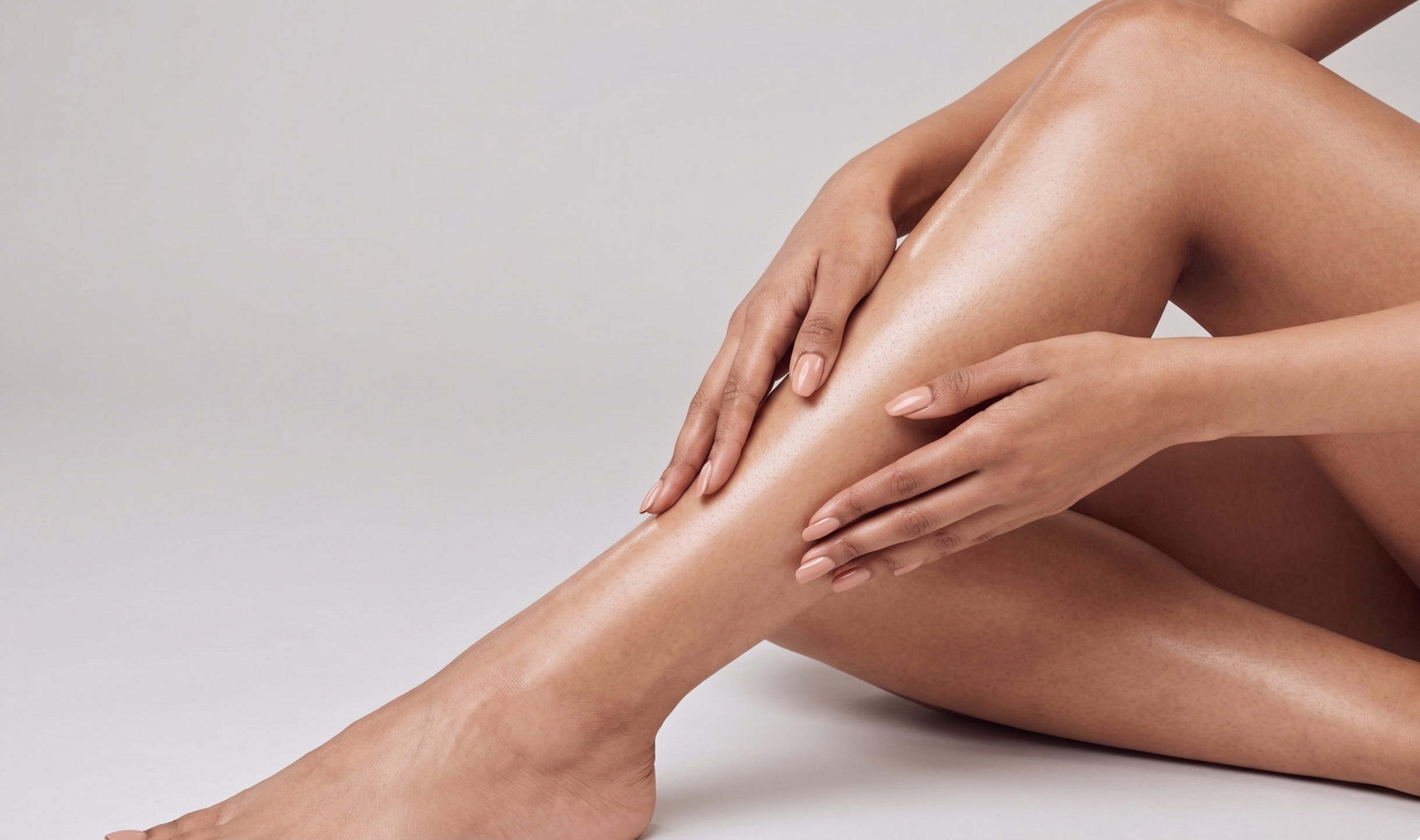
Body Waxing removes hair from the root, leaving your skin smooth and hair-free for weeks. It’s a longer-lasting alternative to shaving for a clean, polished look.
Waxing Pricing
Lip

$20
Chin
$20
Brows
$30
Side Burn
$30
Full Face
$60
Half Arm
$40
Full Arm
$60
Underarm
$30
Stomach Strip
$30
Chest
$40
Full Back
$80
Lower Back
$30
Half Leg
$60
Full Leg
$90
Toes
$20
Ladies Exclusive
Waxing Prices
Bikini
$50
Full Brazilian
$80
French Bikini
$60
Ears
$20
Nose
$20
Neck
$20
Gents Exclusive
Waxing Pricing
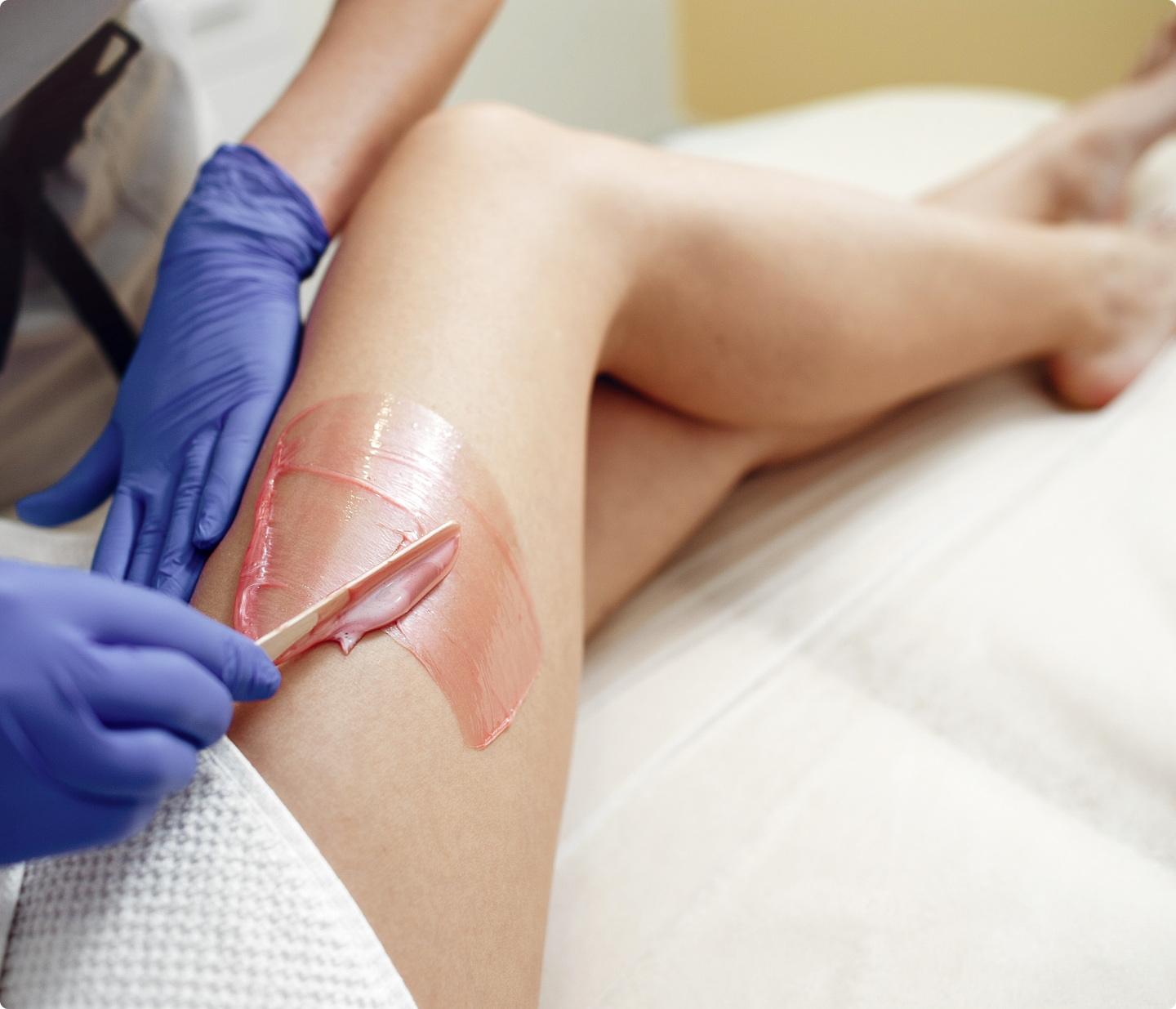
Tweeze, Shave or Wax? That is the Question…
Tweezing – well, we all know what that process looks like..if you have all the time in the day, then feel free to tweeze away. Shaving – this is a half day to day smooth feeling at best! Shaved hair will continue to grow back daily, coarse and thick. Don’t forget the itch factor as well. Waxing – you are pulling at the hair from the root and doing this over time will damage the hair bulb, meaning hair grows back less dense and with a finer texture. Waxing can last 4-8 weeks depending on your hair growth cycle. Consistent waxing will capture your hair at each growth stage to get you on a smooth exfoliated maintained cycle of glory!
Waxing FAQs
What Can I Expect at My First Wax?
Your waxing occurs in a private room with everything necessary to provide as much comfort and modesty as possible. A general rule of thumb is that hair needs to be 1/4 inch; about the length of a grain of rice. Any shorter and it’s too hard for the wax to grab onto. You may be sent home if hair isn’t long enough for a proper treatment.
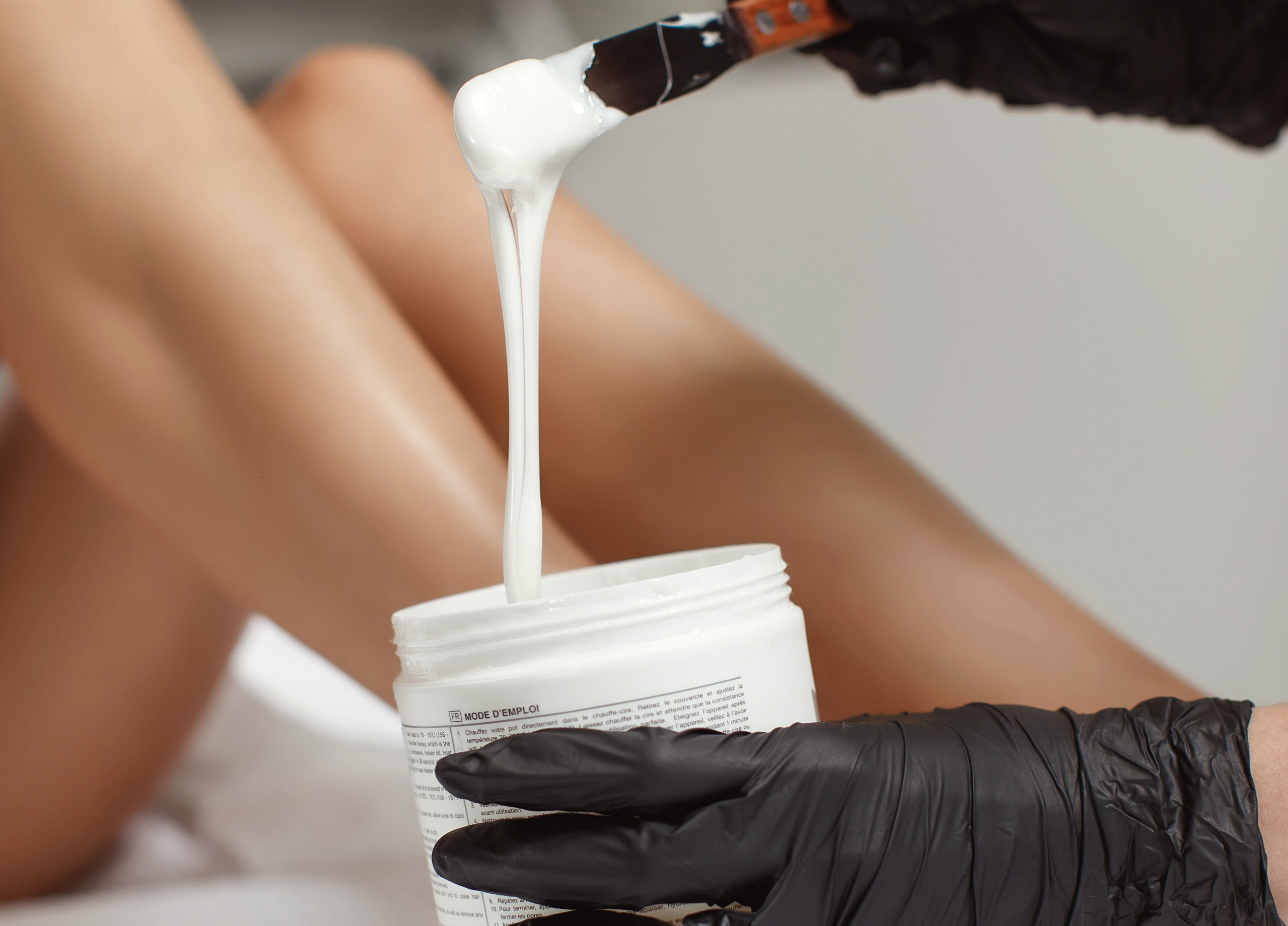
1. The esthetician will determine whether soft wax (removed with a muslin strip) or hard wax (hardens and is removed without a strip) will be best for your hair type, skin sensitivity, and area of the body being waxed.
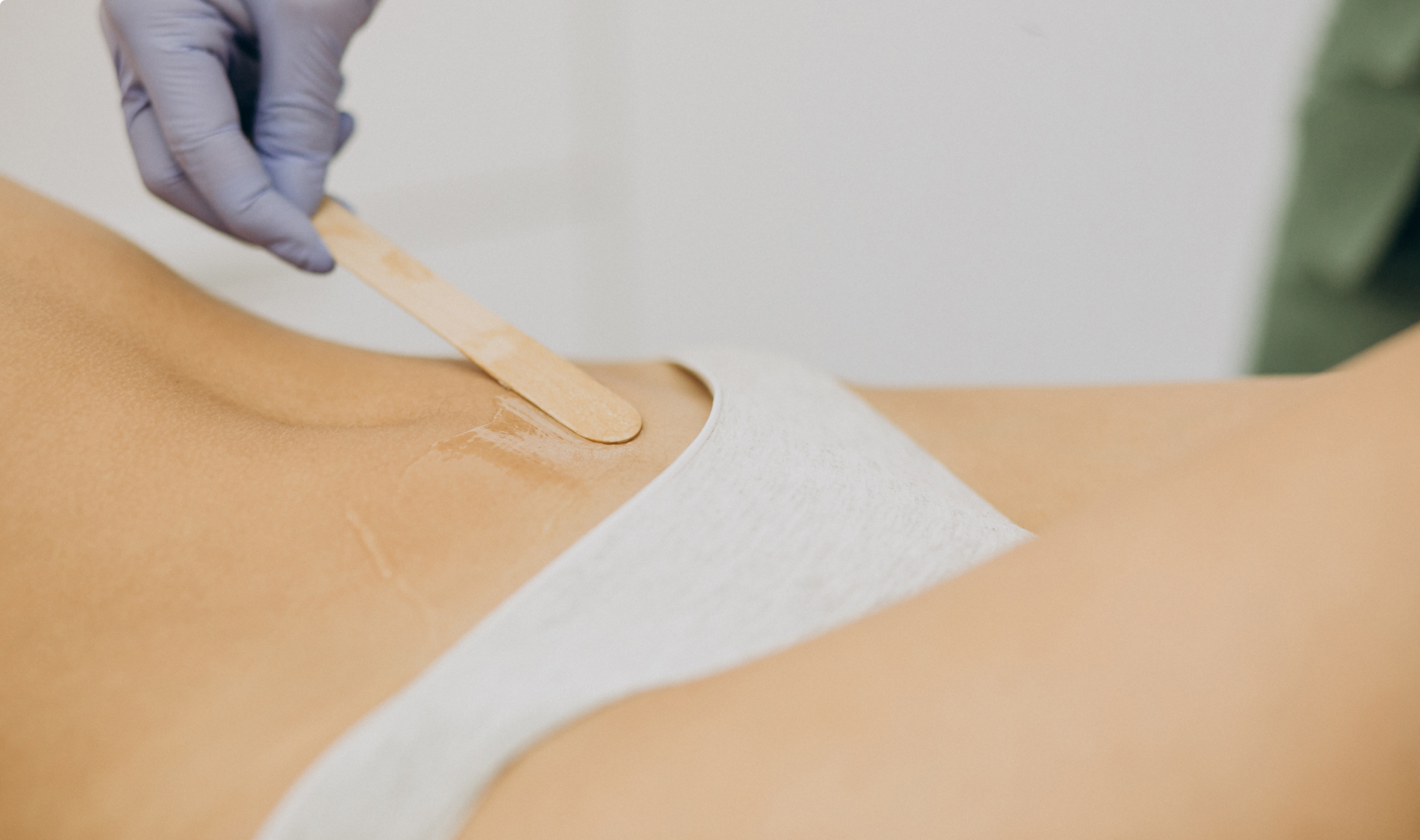
2. The best providers are fast, which means less discomfort for you. They will dip a clean, new waxing stick into a pot of melted wax with each application and spread it onto your skin and hair in the direction of hair growth.
3. If using soft wax, your esthetician will then apply a cloth strip over the still-warm wax, pressing firmly so the cloth, hair and wax adhere to one another. If working with hard wax, it is the same process, but the esthetician creates a “tab” with the hard wax itself and pulls it off without a strip in the same manor as soft wax. Hard wax tends to be more gentle on the skin, so they will opt for that for most areas when possible.
4. Once the waxing is complete, they will tweeze any stray hairs.
5. Concluding the treatment, depending on area and skin type, some time of calming product will be applied to soothe the skin and reduce inflammation.
How Can I Reduce the Pain?
Get waxed regularly every 4-6 weeks depending on the area and your personal hair growth rate. If you wait longer or only get waxed a couple times a year, it will be more painful. If you are female, book your appointment at least a week after your cycle for the least sensitivity. You may opt to take 2 ibuprofen or acetaminophen an hour before your wax.
How Do I Care for My Freshly Waxed Skin?
Waxing will cause the pores to open, thus leaving the skin slightly vulnerable. The area should be kept clean and nourished with special post-wax lotions to keep the skin smooth and supple. Wear loose fitting clothing for this treatment if possible. If after the wax you develop bumps, redness, or ingrown hairs, gently exfoliate the area with a body scrub and then smooth on a lotion or cleanser with alpha hydroxy acid.
When Should I Avoid Waxing?
The following factors are known to make those who are waxed more prone to “skin lifting,” where the top layer of skin is torn away during waxing treatment:
- Taking blood-thinning medications
- Taking drugs for autoimmune diseases, including lupus
- Taking prednisone or steroids
- Psoriasis, eczema, or other chronic skin diseases
- Recent sunburn
- Recent cosmetic or reconstructive surgery
- Recent laser skin treatment
- Severe varicose leg veins
- Rosacea or very sensitive skin
- History of fever blisters or cold sores (waxing can cause a flare-up)
- Using Trevino, Tazaronene, or any other peeling agent
- Recent surgical peel, microdermabrasion or chemical peel using glycolic, alpha hydroxy, salicylic acid, or other acid-based products